
Why Online Tools Matter for Mental Health
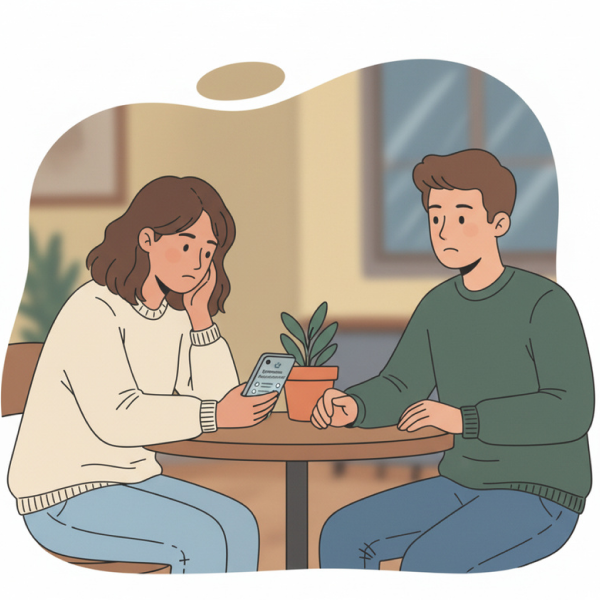
Checking in on your emotional well-being can be as important as monitoring blood pressure or cholesterol, because early awareness often leads to earlier support. Many people want a clear, structured way to reflect on changes in sleep, appetite, energy, or motivation without feeling judged. By using brief, standardized questions, modern screeners turn personal experiences into patterns that can be compared with validated ranges. This approach helps people and clinicians communicate more precisely about severity and impact on daily life.
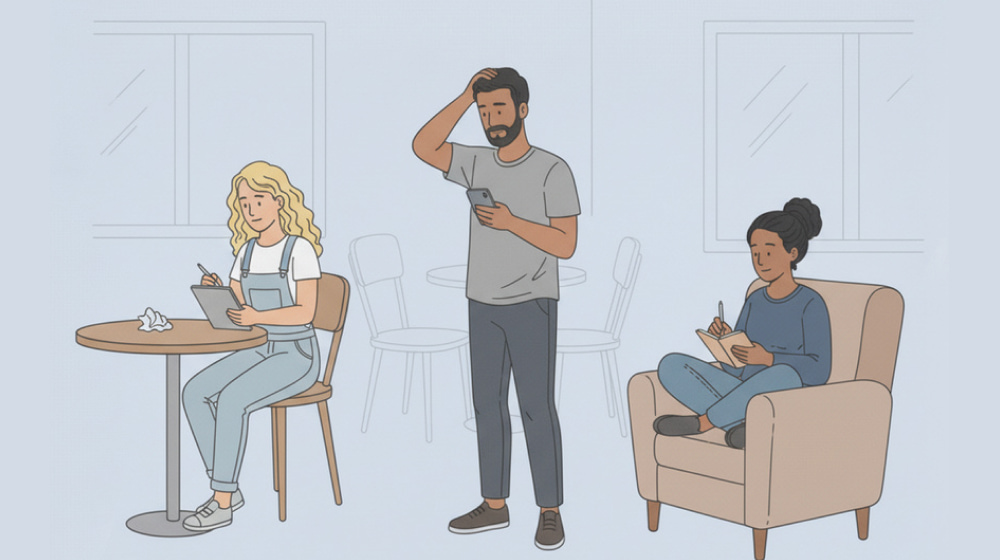
Many people first encounter a depression test during a routine checkup or a wellness program at work, and the structured questions can make it easier to talk about difficult feelings. For those who prefer to explore privately before a visit, self-guided tools can provide a low-pressure starting point. You can think of these instruments as thermometers for mood: they won’t diagnose, but they can indicate when further evaluation is wise.
Friendly Depression Quiz
For a more approachable format, some platforms present a depression quiz that still draws on established clinical criteria yet feels conversational. This friendly design lowers stigma and encourages people to complete all items, which improves accuracy. The consistent wording across items also reduces bias, so results reflect your current state rather than guesswork. Clinicians often prefer a depression questionnaire because it aligns with validated scoring methods and supports shared decision-making. When used consistently over time, it helps track change, clarifying whether symptoms are easing or intensifying.
Start the Test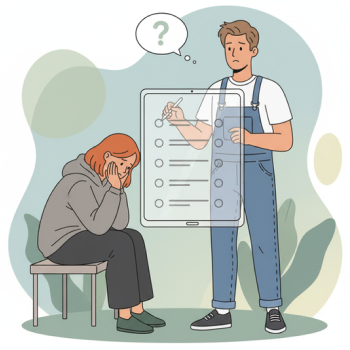
How Standardized Depression Tests Work and Their Benefits
Most evidence-based instruments were developed through years of research, including psychometric testing that ensures reliability and validity across diverse groups. Behind the scenes, an assessment depression instrument translates your responses into a numerical range that maps to minimal, mild, moderate, or severe categories. These categories guide conversations about next steps, whether that means self-care strategies, therapy, or a medical evaluation. While helpful, no screener can replace a clinician’s judgment, especially when safety concerns or complex health conditions are involved.
| Tool | Items | Estimated time | Primary purpose | Typical setting |
|---|---|---|---|---|
| PHQ-2 | 2 | 1 minute | Rapid flag for low mood/anhedonia | Primary care triage |
| PHQ-9 | 9 | 3–5 minutes | Symptom severity and monitoring | Clinics and telehealth |
| CES-D | 20 | 5–7 minutes | Epidemiologic screening in communities | Public health surveys |
| BDI-II | 21 | 5–10 minutes | Clinical assessment of intensity | Behavioral health settings |
When time is short, a quick depression test can act like a doorway, signaling whether a deeper evaluation is warranted. After that initial pass, a longer instrument may be used to capture nuance and monitor change across weeks or months. This stepwise approach balances speed with thoroughness. For convenience, many people try a depression test online before booking an appointment, appreciating the privacy and immediate feedback. Digital formats can also integrate accessibility features, translations, and reminders for follow-up. Just remember that privacy practices vary, so choose reputable platforms that clearly explain data use.

Early Detection Strategies
Pediatricians may use a child depression test when persistent changes in sleep or appetite emerge alongside social withdrawal. Because attention, behavior, and mood can overlap, clinicians also check for learning differences, anxiety, or trauma history. A thoughtful, stepwise plan helps families feel supported rather than overwhelmed. Youth programs labeled for depression teens often blend peer stories with guided self-checks to reduce stigma and spark conversations. In schools, brief screens paired with counseling referrals can connect students to help sooner. Parents and educators can watch for patterns, like declining grades or irritability, that persist across settings.
Start the TestAge-Appropriate Depression Screening
Caregivers frequently ask whether a depression test for kids differs from what adults complete, and the answer is that wording and context are adapted to match literacy and life experience. Age-appropriate examples make items easier to understand, which improves accuracy. Follow-up always matters, so results should lead to a warm handoff, not a dead end.

How to Take a Screener and Interpret the Results Responsibly
Preparation improves clarity, so choose a quiet moment, reflect on your last two weeks, and answer honestly without second-guessing. Before starting, consider trying a depression self-test in a calm setting so you can focus on how symptoms affect daily routines. If you’re unsure about an item, think about the average of most days rather than the single worst day.
If you are tracking specific indicators like sleep, energy, appetite, and concentration, a depression symptoms test can reveal patterns that might otherwise be missed. Saving scores over time helps you and your clinician evaluate whether a particular intervention is helping. Consistency, same day of week, similar time, makes comparisons more meaningful. After submitting responses, people sometimes wonder whether a do i have depression test can deliver a definitive diagnosis, and the honest answer is that only a qualified professional can do that. Screeners point to probability, not certainty, which is why follow-up conversations matter. If scores are high or safety concerns arise, seek prompt help from a licensed provider or crisis service.
-
![]() Use the same tool over time to monitor change consistently.
Use the same tool over time to monitor change consistently. -
![]() Share results with a clinician for context and care planning.
Share results with a clinician for context and care planning. -
![]() Combine self-checks with healthy routines like sleep and movement.
Combine self-checks with healthy routines like sleep and movement.

When to Seek Support and Where to Find Help
It’s wise to reach out whenever mood changes interfere with work, school, relationships, or self-care, even if you’re unsure of the cause. Budget should not be a barrier, because many community clinics and nonprofits offer a depression test free option as part of outreach and early intervention. Local health departments, employee assistance programs, and university counseling centers often maintain lists of affordable care.

During routine visits, a nurse may deliver a depression screening test alongside vital sign checks to catch concerns early. If a screener suggests moderate or higher severity, consider scheduling a full evaluation with a licensed therapist, primary care clinician, or psychiatrist. You can also build a personal plan that includes supportive habits, peer groups, and follow-up appointments.
Take Depression Assessment Test for Teens, Kids & Adults
Get Started-
![]() Ask potential providers about approach, wait times, and insurance coverage.
Ask potential providers about approach, wait times, and insurance coverage. -
![]() Keep a brief symptom journal to bring to your first appointment.
Keep a brief symptom journal to bring to your first appointment. -
![]() Enlist a trusted friend or family member for encouragement and accountability.
Enlist a trusted friend or family member for encouragement and accountability.
Frequently Asked Questions
- How accurate are these screeners?Validated instruments show good reliability and sensitivity in research, yet they remain indicators rather than diagnostic tools. Accuracy improves when you answer based on most days over the past two weeks and when results are discussed with a professional who can consider medical history, stressors, and safety.
- What should I do if my score is high?Prioritize safety and reach out to a licensed clinician, your primary care provider, or urgent services if you feel at risk. High results are a strong signal to seek a thorough evaluation, and earlier contact often leads to faster relief. Bring your score history to the appointment so your provider can see trends.
- Can an online check replace a visit to a clinician?Digital tools are a helpful starting point, but they cannot assess complex factors like medications, medical conditions, or risk in the same way a professional can. Think of them as a compass that points toward care rather than the care itself.
- When is a quiz helpful versus a full interview?Self-guided formats are useful for reflection and can motivate you to take the next step, while interviews allow for nuance and tailored recommendations. Many people first try an am I depressed quiz to clarify concerns, and then book an appointment for a more comprehensive assessment.
- How often should I repeat a screener?Consistency supports insight, so repeating the same instrument every few weeks can show whether symptoms are shifting. If you begin treatment, your clinician may suggest a schedule that aligns with follow-up visits to inform adjustments.
The Latest News
 Comprehensive Guide to Depression Quizzes and Responsible Next Steps Take Depression Assessment Quiz for Teens, Kids & Adults Get Started What a Mood Self-Assessment Can and Cannot Do Self-assessment tools can be a helpful first check-in when persistent sadness, loss of interest, fatigue, or sleep changes are getting in the way of daily life. The...
 - 31 December, 2025
- The Essential Guide to Free Depression Test: How Free Tools Can Support Your Mental Health Take Depression Assessment Quiz for Teens, Kids & Adults Get Started Why Screening Matters and How It Helps Feeling persistently sad, unmotivated, or disconnected can be confusing, and many people hesitate to reach out because they’re unsure what they’re experiencing...
- 30 December, 2025
- Complete Guide to Online Depression Self‑Test and How to Use Them Wisely Take Depression Assessment Quiz for Teens, Kids & Adults Get Started Why People Consider Online Screening in the First Place Digital self‑assessments can offer a private, low‑pressure way to reflect on mood, energy, sleep, and motivation. Many people value the immediacy, be...
- 29 December, 2025
Please Note
This website (depression-assessment-test.com) is not an official representative, creator or developer of this application, or product. All the copyrighted materials belong to their respective owners. All the content on this website is used for educational and informative purposes only.